Elephants in Krabi: What to Ask Before You Book
7 min read
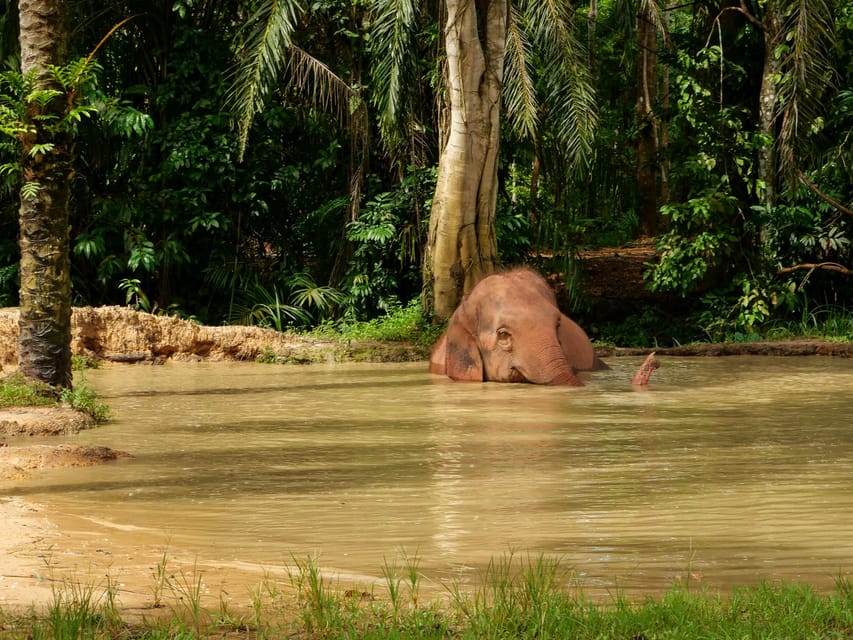
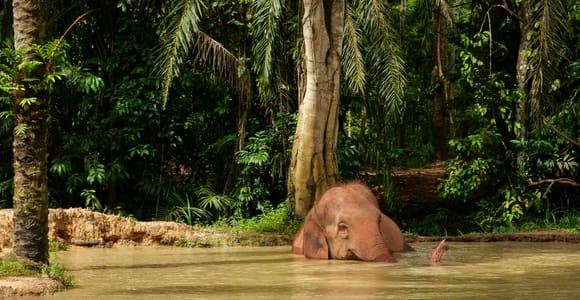
Names such as sanctuary, shelter or care house do not by themselves establish how elephants are treated. Read the activities and ask about daily care. For a visit without bathing or touching, our pick is the two-hour Krabi Roaming Elephant Sanctuary option described below.
That is not a reason to skip it. It is a reason to read the listing properly, because the listings say more than the names do.
What is actually on offer here
The bathing and care experiences below sell close contact: feeding, walking alongside, mud and bathing. The two Roaming Sanctuary options instead advertise no riding, bathing or touching.
Elephant Bathing Session at Krabi Elephant Shelter lasts 1 hour 30 minutes, from €39.95 per person, with 4.9 stars from 2,623 reviews. Hotel transfer, food for the elephants and equipment are included; a meal, a towel and water shoes are not.
The longer option is the Ao Nang Elephant Sanctuary Half-Day Tour: 3 hours, from €66.58 per person, 4.8 stars from 2,248 reviews, with feeding, a mud application and bathing, plus transfer to and from Ao Nam Mao pier. Its own description says the elephants were rescued from logging and from carrying people. The Elephant Care House guided tour booking page is currently unavailable. Its stored description advertises hotel transfers, mud bathing, a jungle walk and herb feeding; it is not currently bookable.
Note the difference in length: ninety minutes against three hours. Compare the activities and total cost for your party, rather than treating the shorter session as a discount on the half-day.
The bathing question, stated plainly
If you read anything about elephant tourism before you book, you will run into this, so here it is without hedging.
World Animal Protection argues that bathing should be avoided, not chosen as the kinder alternative to riding. Its position is that close-contact activities are stressful for the animal and risky for the visitor, and that the standard to look for is observation only: look, do not touch. Its January 2026 summary reports 7.2% of captive elephants in Thailand in observation-only venues in 2024/2025, up from 4.6% in 2010. That remains a small minority.
The contact experiences above are listed to explain the differences in what is sold. Visitor reviews are not an animal-welfare assessment. A reader choosing between bathing with elephants and observing them should understand that distinction.
Both no-touching products are run by Krabi Roaming Elephant Sanctuary, not two different camps: No-Touching Roaming Elephant Sanctuary Guided Tour lasts two hours, from €58.59 per person, with 4.9 stars from 272 reviews; No-Touching Elephant Sanctuary Half-Day with meal lasts three hours, from €77.23 per person, with 36 reviews. Both include offering food on trays and walking near the elephants. The longer tour adds making elephant treats and a vegetarian meal. These are the operator’s descriptions, not independent welfare certification or proof of inclusion in the research above.
Five questions worth asking
Whichever you book, these are answerable by message before you pay, and the answers tell you more than the brochure.
- Is riding offered anywhere on the site, to anyone? A camp that sells rides in the morning and baths in the afternoon is one business, not two.
- How many groups does each elephant meet in a day? An elephant bathed eight times a day is working, whatever the activity is called.
- Are the elephants chained outside the activity, and for how long?
- Can the elephant leave? In a bathing session, is the animal free to walk out of the water when it wants to?
- Where do the elephants come from, and is anyone breeding here?
An operator who answers these in specifics is telling you something. An operator who answers with the word “ethical” three times is telling you something too.
Practical details on the booking pages
Passport details for insurance. The bathing session asks you to note your passport number and save a photo of your passport on your phone for emergencies. It says the physical passport or a printed copy is not needed.
They need a phone number they can call. The same listing asks for a Thai number or one reachable on WhatsApp, because the operator cannot dial foreign numbers.
Water shoes. The bathing operator asks you to bring them for walking during the activity, or buy them on site.
Flash photography is banned at the bathing session. That rule alone is not an animal-welfare assessment.
Rain or shine. The bathing operator says the session runs in rain as well as sunshine. Follow staff instructions about conditions on the day.
Age, health and language. The bathing session excludes pregnant travellers and people over 95. The two Roaming Sanctuary tours exclude wheelchair users and people with animal allergies. Check the selected option’s child eligibility before paying. All four accessible tours offer English-speaking guides; the bathing session also lists Thai. Confirm your hotel’s pickup arrangement, particularly when travelling from Railay.
If you decide against it
The honest alternative is not another animal attraction. It is a different kind of day: the limestone islands, the mangrove channels at Ao Thalane, or the forest and freshwater inland, where the pools and hot springs fill a whole day.
Nobody needs to have touched an elephant to have seen Krabi.